

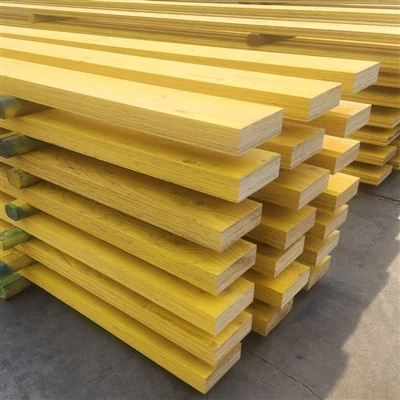
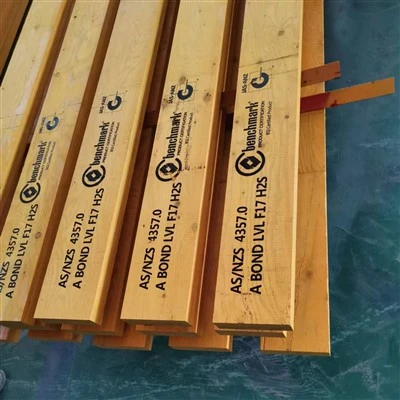
Laminated Veneer Lumber (LVL) is a high-strength engineered wood product used primarily for structural applications. It is comparable in strength to solid timber, concrete and steel and is manufactured by bonding together rotary peeled or sliced thin wood veneers under heat and pressure. LVL was developed in the 1970s and is today used for permanent structural applications including beams, lintels, purlins, truss chords and formwork.
Why Choose Us
Our Product
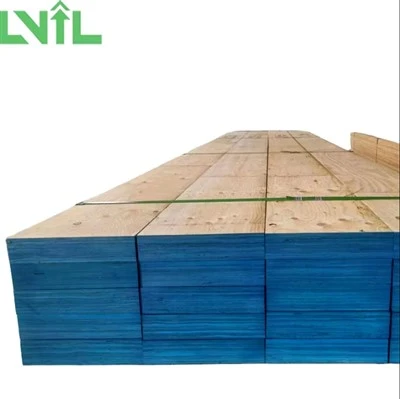
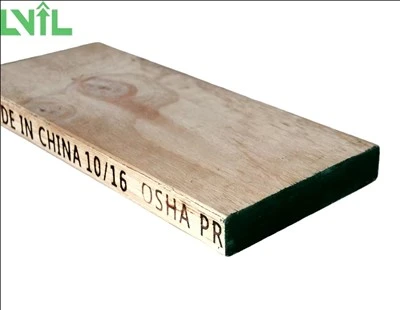
Our product range covers: Formwork LVL,Structural LVL, LVL scaffolding plank,LVL beam,I joist, LVL frame, LVL bed slat,LVL door core ,Acoustic panel.
Product Application
Our products can be used in construction,furniture ,packing such as pallet and interior decorative.
Production Market
Europe,North and south America,Austrilia,Newzealand, Middle East,Japan ,Korea and South east Asia, Our Annual Sales is more than 10M USD and increase year by year.
Production Equipment
10 LVL producing lines and 3 acoustic panel producing lines.




Features of LVL
Structural composite LVL
LVL or veneer laminated wood falls into the structural composite wood (SCL) category. Its manufacture includes sheets, strands or chips of seeded and dry wood.
Moisture-resistant adhesive LVL
The adhesive used is unusual. The veneer layers are arranged and glued with a moisture-resistant adhesive. The purpose of this is to ensure that the layers do not separate, which makes them strong.
Veneers For LVL
The shell used to make LVL is not very thick, its thickness is less than 3mm. It is produced using rotary peeling technology.
Prevention from decay
Preservatives must be used to ensure they do not spoil. Treating LVL with a suitable preservative in areas of high humidity or without ventilation will ensure its longevity.
Installation
You can drill, rivet or saw LVL with normal tools without worry. During installation, it is also possible to drill holes. This makes the installation process much easier.
Charring rate
Like hardwoods with predictable char rates, LVL has very similar fire resistance. This speed is usually slow, but varies depending on the type and size of wood used.
Ideal for beam construction
Orienting the shell in one direction makes LVL a suitable choice for beam construction. LVL beams have the strength, depth and length to easily support loads for extended periods of time.
Earthquake resistance
Laminated plywood has good shock absorption properties, making it somewhat impact resistant. Therefore, it can be an excellent choice for construction in earthquake-prone areas.
Advantages of LVL over other construction materials
Strength and Load-Bearing Capacity: LVL has a higher strength-to-weight ratio compared to solid wood. It can support heavier loads over longer spans, allowing for more efficient use of materials and reducing the need for additional support elements.
Dimensional Stability: LVL has minimal shrinkage or expansion due to changes in temperature and humidity. Unlike solid wood, which can warp, twist, or sag, LVL maintains its shape and structural integrity over time.
Consistency: Each layer of veneer in LVL is carefully selected and bonded, ensuring consistent quality and uniform strength. This predictability allows for precise engineering calculations and reliable performance in construction projects.
Longer Lengths: LVL can be manufactured in longer lengths compared to solid wood, reducing the need for joints or splices. This enhances the overall strength and stability of the structure and facilitates faster installation.
Environmentally Friendly: LVL is made from sustainably sourced wood veneers and uses adhesives that meet environmental standards. The production process minimizes waste, making LVL an eco-friendly choice for construction projects.
Fire Resistance: LVL has better fire resistance than many other wood products. It offers improved safety by slowing down the spread of fire and giving occupants more time to evacuate the building.
Versatility: LVL can be easily cut, drilled, and shaped according to project requirements. It can be used in a wide range of applications, from structural components to decorative elements.
How is LVL Made?
Harvesting and Debarking
In the first step, the right wood is selected and harvested from the forest. After that, the debarking process is started with a wood log. Debarking is the process of removing bark from wood.
Steaming
Steaming is a process to improve the appearance of sapwood. This process is very important, in this process the color of Sapwood is made darker like heartwood. To understand this whole process, you have to understand wood’s growth and sapwood and heartwood.
Peeling Veneer
In this step of LVL Production, peels large log pieces into thin veneer sheets using the rotary peeling technique. For LVL production, the thickness of the Veneer sheet is 2.5 mm to 4.8 mm. Manufacturing companies have veneer sheets with a thickness of 3.2 mm.
Drying, Trimming, and Grinding
Drying process It is very important to the veneers sheets before going to the next process. Many nozzle sprays are used for this hot air is released over the veneers. The thickness of veneers decreases after this process but it is very less.
Adhesive Veneer Sheets
In this process, multiple thin veneer sheets are glued together with waterproof Adhesive. The number of veneer sheets depends on the thickness of the LVL. All veneer sheets are kept vertical together.
Sanding, Cutting, and Packing
This laminated veneer lumber is once again final sanded. Sanding is done all around. Low grain sanding paper is used in this process. But medium and large size grain sanding paper is used for hardwood species based on grain size.
Strength and Durability of LVL
Bonding: The adhesive used in the manufacturing of LVL provides a strong bond between the veneer layers. This bonding process ensures the layers work together to withstand heavy loads and resist deformation.
Alignment: The cross-grain arrangement of the veneers enhances the overall strength of LVL. It distributes the load across multiple layers, reducing the risk of splitting, warping, or sagging.
Uniformity: LVL offers consistent strength and properties throughout the material. Unlike solid wood, which can have natural defects or inconsistencies, LVL is manufactured to meet specific standards, ensuring predictability and reliability.
Dimensional Stability: Thanks to its engineered construction, LVL has minimal shrinkage or expansion due to changes in temperature and humidity. This dimensional stability helps maintain the structural integrity of LVL over time.
Load-Bearing Capacity: LVL is capable of supporting heavy loads over long spans. Its high strength-to-weight ratio allows for efficient use in structural applications, reducing the need for additional support elements.
Resistance to Moisture and Pests: LVL is treated with preservatives during the manufacturing process, making it resistant to moisture, rot, and insect infestations. This makes it suitable for both indoor and outdoor use.
Uses of LVL in Construction


Laminated Veneer Lumber (LVL) is a versatile material that finds extensive use in various construction applications. Its strength, durability, and dimensional stability make it a popular choice for the following uses:
Structural Beams and Columns: LVL is commonly used as beams and columns in residential, commercial, and industrial construction. It provides the necessary support and load-bearing capacity for floors, roofs, and other structural components.
Headers and Rim Boards: LVL beams are often used as headers above doors, windows, and other openings to distribute the load and prevent sagging. Rim boards made from LVL can be used to secure floor joists and provide a solid connection to the foundation.
Bearing Plates and Joist Hangers: LVL can be utilized as bearing plates and joist hangers to provide support and reinforce connections between structural elements. These components ensure stability and structural integrity.
I-Joists and Trusses: LVL is commonly used in the manufacturing of I-joists and trusses. These engineered wood products offer excellent load-carrying capacity and stability and are widely used in residential and commercial construction.
Formwork: LVL panels can be used as formwork for concrete construction. They provide a durable and stable surface for pouring and shaping concrete structures, such as walls, columns, and slabs.
Door and Window Frames: LVL is often used to construct door and window frames due to its stability and resistance to warping. It provides a solid base for installing doors, windows, and hardware.
Furniture and Cabinetry: LVL can be used to manufacture furniture pieces, such as tables and benches, as well as cabinetry components, due to its strength and versatility in design.
Considerations before using LVL in construction
Before incorporating Laminated Veneer Lumber (LVL) into your construction project, it’s important to consider a few key factors. Here are some considerations to keep in mind:
Design and Engineering: Proper design and engineering are crucial when using LVL in construction. Consult with a structural engineer or designer to ensure that the LVL is specified correctly and can withstand the anticipated loads and stresses.
Moisture Exposure: While LVL is resistant to moisture, prolonged exposure to water or high humidity levels can still affect its performance. Ensure proper protection and sealing of LVL during construction, and avoid long-term exposure to excessive moisture.
Installation: Follow the manufacturer’s recommendations for proper installation of LVL, including fastening methods, supports, and precautions. Improper installation can compromise the strength and stability of the structure.
Code Compliance: Ensure that the use of LVL complies with local building codes and regulations. Familiarize yourself with the requirements and any specific guidelines for using engineered wood products in your area.
Environmental Conditions: Consider the environmental conditions, such as temperature and humidity fluctuations, when using LVL. Ensure that proper HVAC systems and moisture control measures are in place to maintain the integrity of the material.
Cutting and Fastening: LVL can be easily cut and shaped, but it’s important to use appropriate tools and techniques to avoid splintering or damaging the material. Similarly, use approved fasteners and follow recommended guidelines for proper attachment.
Inspection: Regular inspections during and after construction are essential to identify any issues or potential problems related to LVL. Monitor for signs of damage, such as cracks, splits, or excessive deflection, and address them promptly.
How LVL is Made
The manufacturing process of Laminated Veneer Lumber (LVL) involves several steps to ensure its strength and durability. Here is a breakdown of how LVL is made:
Veneer Selection: The process begins with carefully selecting high-quality softwood veneers. These veneers are typically obtained from logs that are rotary-peeled or sliced at a veneer mill.
Preparation: The selected veneers are then trimmed and prepared for the bonding process. They may undergo drying and conditioning to ensure uniform moisture content.
Adhesive Application: A suitable adhesive, generally a type of phenol formaldehyde resin, is applied to the veneers. The adhesive is evenly distributed to promote strong bonding.
Layering and Alignment: The veneers are carefully layered on top of each other, with the grain direction alternating between layers. This cross-grain arrangement enhances the overall strength and stability of the LVL.
Pressing and Consolidation: The stacked veneers are then placed in a hydraulic press. Heat and pressure are applied to bond and consolidate the layers. This process is known as curing.
Trimming and Finishing: Once the curing process is complete, the LVL panels are trimmed to the desired dimensions, ensuring clean edges. They may also be sanded or planed to achieve a smooth surface finish.
Our Factory
Linyi Huite International Trade Co.,Ltd was founded in 2015 year, after 7 years Development,now our company becoming a specialist in full chain LVL and acoustic panel.
Such as Formwork LVL, Structural LVL, Furnitural LVL,Packing LVL ,Wooded slatted acoustic panel and acoustic wall panel.


Certifications


FAQ
Q: What is an LVL?
Q: How is LVL Made?
Q: Why is LVL Used in Construction?
Q: Why is LVL a Good Choice for Home Renovations?
Q: How to Use LVL in Home Renovations?
Q: Where to Find Help with LVL Design?
Q: Is LVL stronger than wood?
Q: What is LVL typically used for?
Q: What is LVL and where is it used?
Q: Is LVL cheaper than hardwood?
Q: Is LVL better than plywood?
Q: Can I use an LVL as a joist?
Q: Can LVL be used vertically?
Q: What is the difference between glulam and LVL?
Q: What is the most common thickness of an LVL?
The most common thickness of LVL is 45 mm (1 ¾ inches). However, it is also manufactured in thicknesses ranging from 19 mm (3/4 inch) to 178 mm (7 inches). Wider beams are constructed by fastening multiple LVL plies together. The fastening and connection requirements of LVL are similar to those of solid lumber.
Q: Are there different grades of LVL?
Q: Can you cut LVL to size?
Q: Can LVL be used for framing?
Q: Which is stronger LVL or glulam?
Q: What is the nailing pattern for LVL beam?
We're professional lvl manufacturers in China, specialized in providing high quality products with low price. We warmly welcome you to wholesale customized lvl made in China here from our factory. For quotation and free sample, contact us now.